How to Tell If a Dress Will Be See-Through Before You Buy It
12 August 2026
 How to Tell If a Dress Will Be See-Through Before You Buy It
The short answer: you can't be 100% sure, but you can get close by looking at three things — fabric weight, weave, and color. These three variables determine whether a dress is transparent in daylight, and they're usually listed in the product description or visible in the photos. Once you know what to look for, you can avoid the disappointment of a dress that's fine indoors but see-through outside.
Fabric weight is measured in grams per square meter, or gsm. The higher the gsm, the thicker and more opaque the fabric. A light chiffon or georgette might be around 50-70 gsm, while a cotton poplin is often 100-130 gsm, and a denim or heavy twill can be 200 gsm or more. As a rule of thumb, fabrics under 100 gsm are risky for transparency, especially in light colors. But weight alone isn't enough — a loosely woven fabric at 120 gsm can still be see-through, while a tightly woven silk at 80 gsm might be fine.
Weave refers to how the threads are interlaced. A plain weave, like in poplin or broadcloth, is dense and blocks light well. A twill weave, like in denim, is also tight. But a satin weave, which floats threads over each other, can have gaps that let light through, even if the fabric is heavy. Similarly, open weaves like voile, batiste, or any 'slub' or 'slubby' fabric are more likely to be sheer. If the description says 'woven' without specifying, look at the photo for texture — visible tiny holes or a loose grid pattern means it's probably see-through.
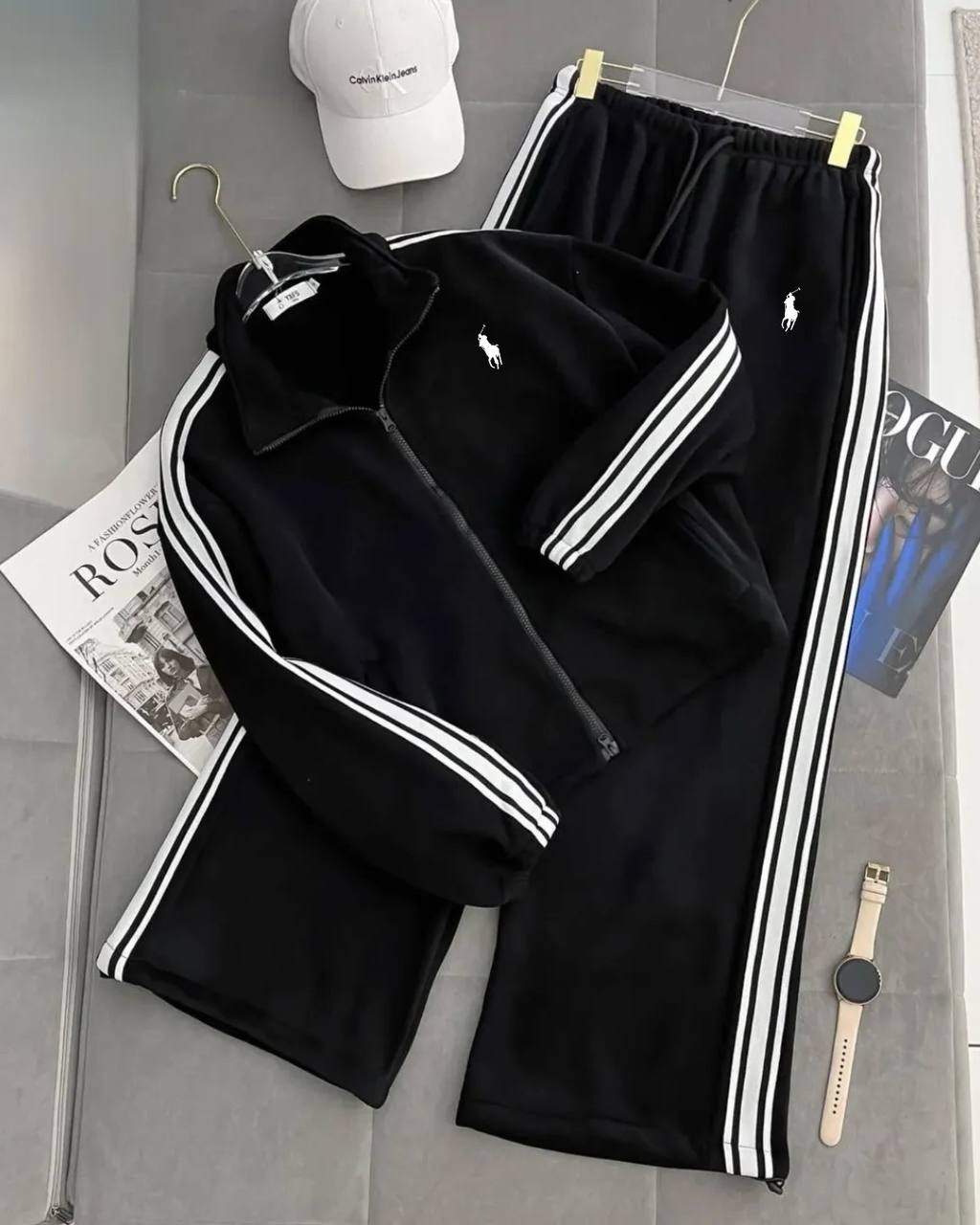
Color is the third variable. White and nude are the highest risk because they contrast with your skin tone, making any transparency obvious. Pastels like baby blue, mint, or pink are also risky. Black is almost never see-through, even in a light fabric, because dark colors absorb light. But beware of 'washed' or 'distressed' black, which can be thinner in places. Other dark colors like navy, burgundy, or forest green are also safe bets. If you're eyeing a white or light-colored dress, expect that you'll need a slip unless the fabric is very thick.
Product photos can tell you a lot, but only if you know how to read them. Look for photos taken against a bright light source, like a window or a lamp. If you can see the outline of the mannequin or the background through the fabric, it's sheer. But photos are often taken in controlled lighting, so a dress that looks opaque in the photo might be transparent in sunlight. Also, many retailers use 'ghost mannequins' or edit the photos to remove see-through effects, so don't rely solely on the photo. Instead, look for close-up shots of the fabric — they'll show the weave. If there's a photo of the dress being held up to the light, that's gold.
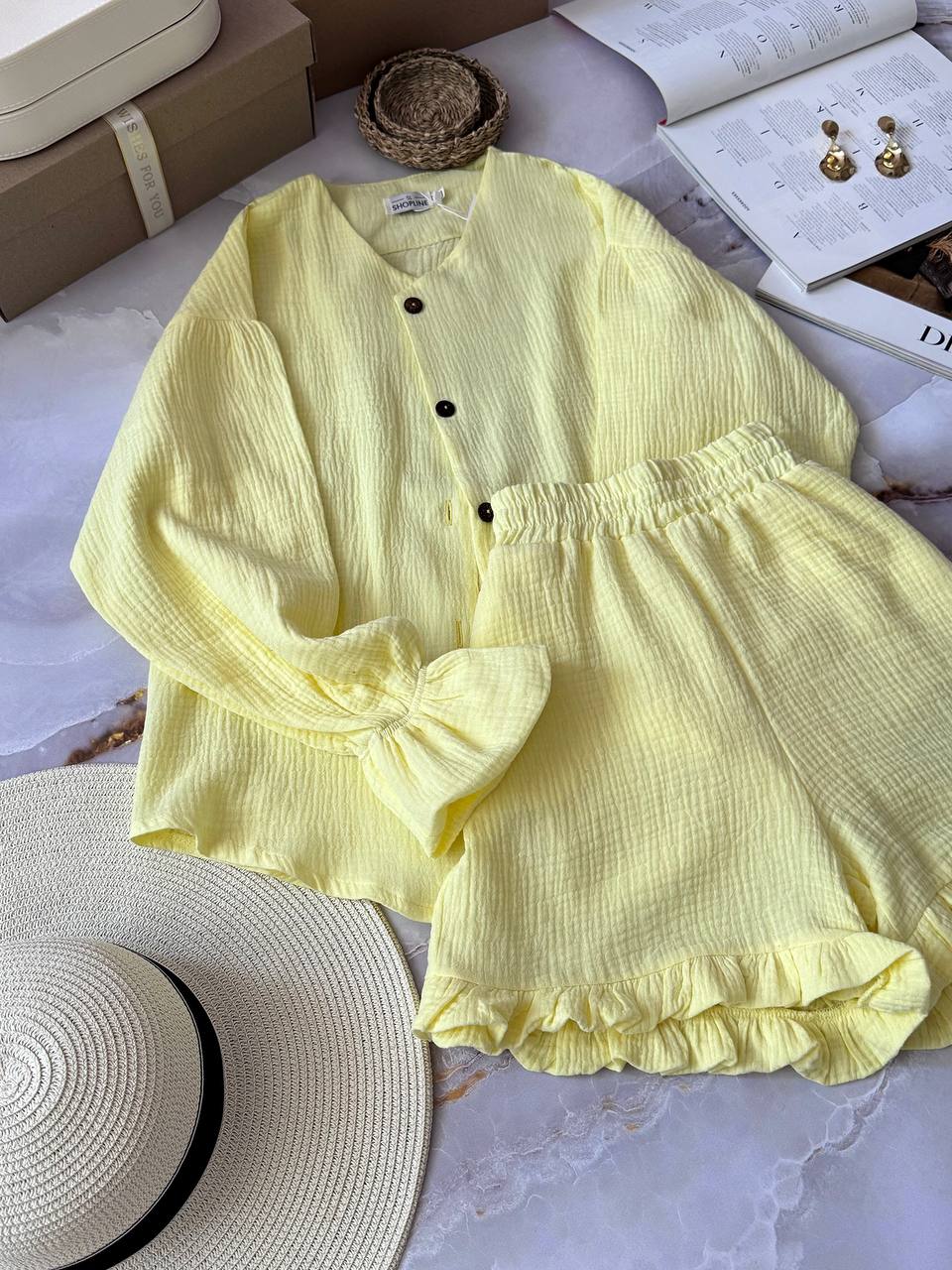
If the dress is see-through, you have three fixes: lining, slip, or layering. A lined dress has a built-in layer of opaque fabric, usually cotton or polyester, that covers the body. Check the description for 'lined' or 'fully lined' — if it says 'unlined' or 'semi-sheer', you'll need a slip. A slip is a separate undergarment that you wear underneath. Choose a slip in a color that matches the dress — for white dresses, a nude or white slip works; for colored dresses, a slip in a similar tone is less visible. Layering is another option: wear a camisole or a t-shirt underneath, or pair the dress with leggings or jeans if it's long enough.
Before you order, ask the seller three questions: What is the fabric weight in gsm? Is the dress lined? And can you send a photo of the fabric held up to a light source or worn in natural daylight? Many sellers on marketplaces are happy to answer, and if they can't, that's a red flag. Also, read the reviews — look for words like 'sheer', 'see-through', 'transparent', or 'needs a slip'. If multiple reviews mention it, believe them. If there are no reviews, be extra cautious.

In the end, the only way to know for sure is to try it on in daylight. But by checking the gsm, the weave, and the color, and by asking the right questions, you can make a solid guess. When in doubt, go for a darker color or a lined version, or plan to wear a slip. That way, you won't be caught off guard when you step outside.
Every piece in the catalogue is listed with its own measurements — see Suits & Sets.