Viscose, Modal, Lyocell: What Actually Changes When You Wear Them
26 August 2026
 Viscose, Modal, Lyocell: What Actually Changes When You Wear Them
If you have ever stood in a shop and compared two identical-looking shirts, one labeled 100% viscose and the other 100% modal, you know that the labels tell you almost nothing about how each will feel after a day of wear. The truth is that all three fibres — viscose, modal, and lyocell — are made from wood pulp, but the way that pulp is processed changes the fibre’s structure, and that changes everything from breathability to how quickly it wrinkles. This article explains what the labels mean, how the fibres differ in practice, and what you can expect from each — without resorting to vague claims like “better quality” or “more sustainable.”
All three fibres are regenerated cellulosic fibres, meaning they start as wood chips that are dissolved into a pulp and then extruded through tiny holes to form filaments. The key difference lies in the solvent and the spinning process. Viscose, the oldest of the three, is made by treating the pulp with caustic soda and carbon disulfide, then dissolving it in a weak acid. This process is cheap but creates fibres with a relatively loose, less uniform structure. Modal, developed in the 1960s, uses a similar chemical route but with a more refined spinning process that aligns the cellulose chains better, producing a stronger, more stable fibre. Lyocell, the newest, uses a direct solvent process with N-methylmorpholine-N-oxide (NMMO) that is recycled in a closed loop. The result is a fibre with a highly crystalline structure, which gives it exceptional strength and a smooth, almost silky surface.
Because of these structural differences, the three fibres behave differently in practice. Viscose is the most absorbent of the three, with a moisture regain of about 13% at standard conditions, which makes it feel cool and breathable against the skin. However, that high absorbency also means that viscose swells when wet, which is why it tends to shrink and lose shape after washing. Modal, with a moisture regain of about 12.5%, is slightly less absorbent but still very breathable, yet its more aligned structure makes it more dimensionally stable — it shrinks less and holds its shape better. Lyocell has a moisture regain of about 11.5%, but its crystalline structure means it wicks moisture away from the skin rather than absorbing it into the fibre, so it feels dry and cool even when you sweat. That structure also makes lyocell the most resistant to shrinking and stretching of the three.
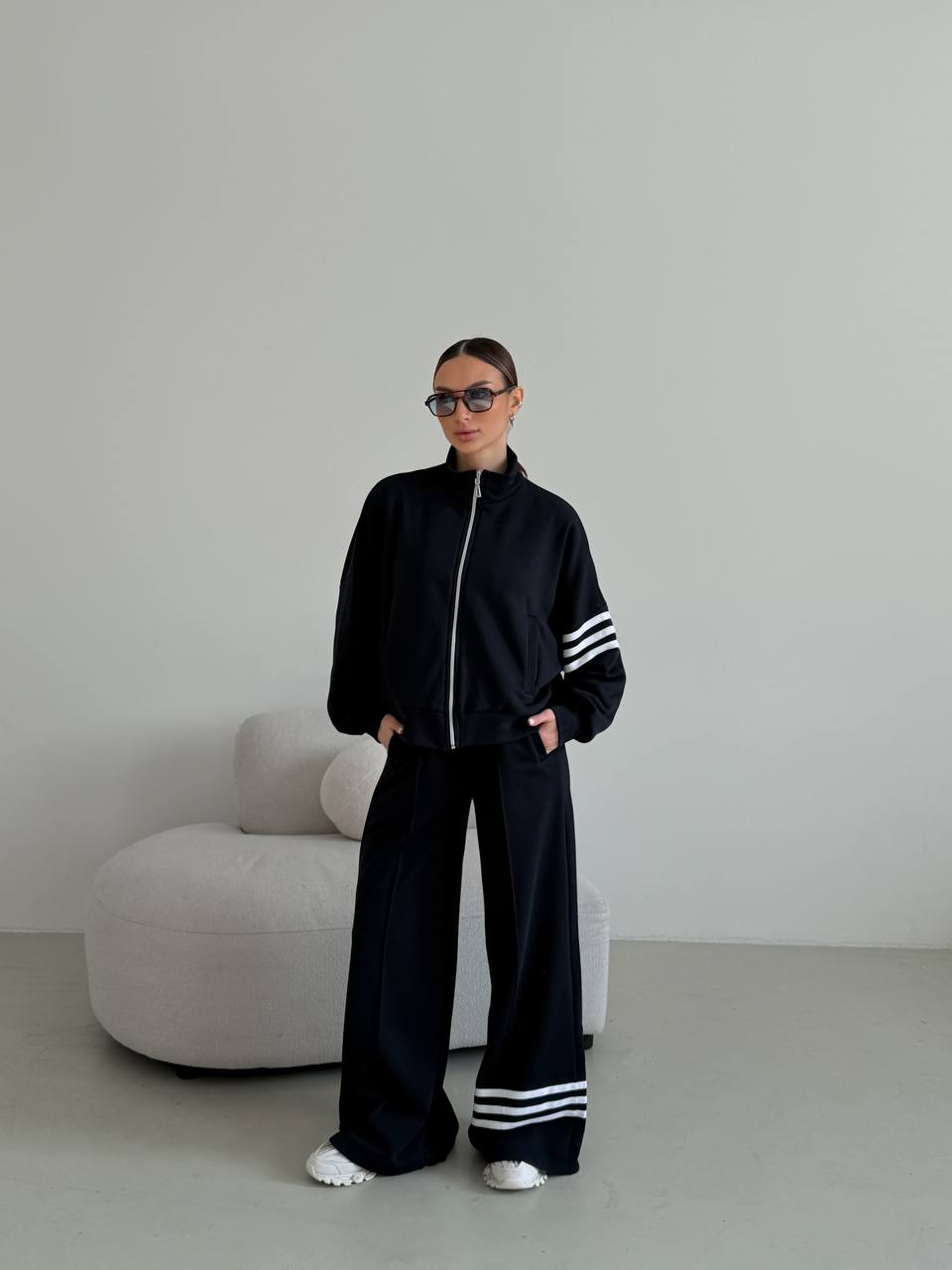
When it comes to breathability and drape, the differences are subtle but noticeable. All three fibres are considered breathable because they allow air to pass through the fabric, but viscose has a looser weave and a softer, more fluid drape, which is why it is often used in flowing dresses and blouses. Modal, because of its higher strength, can be woven into finer yarns, giving it a smooth, silky hand feel that drapes elegantly but holds its shape better than viscose. Lyocell has a crisp, cool hand feel and a drape that is less clingy than viscose, making it ideal for tailored trousers and structured tops. If you are looking for a fabric that will not cling to your body on a hot day, lyocell is your best bet; if you want a soft, floaty skirt, viscose will do the job.
Shrinkage and pilling are two of the most common complaints with these fibres, and they differ significantly. Viscose is notorious for shrinking — a 100% viscose garment can lose up to 5% of its length after the first wash if not handled carefully. It also pills readily because the short, loose fibres on the surface tangle into balls. Modal shrinks less, typically around 3%, and pills less because its longer, more aligned fibres resist abrasion. Lyocell is the most stable, with shrinkage of less than 2% when washed correctly, and it pills very little thanks to its smooth surface and high fibre strength. That said, no fibre is immune to pilling if the fabric is woven loosely, so always check the weave tightness as well as the composition.
Washing rules differ markedly among the three, and ignoring them is the fastest way to ruin a garment. Viscose is the most delicate: it should be hand-washed in cold water or dry-cleaned, and never wrung or twisted, because wet viscose loses up to 40% of its strength. Modal is more forgiving: it can be machine-washed on a gentle cycle in cold water, but should be laid flat to dry to avoid stretching. Lyocell is the most durable: it can be machine-washed on a normal cycle in cold or warm water, and tumble-dried on low heat, though air-drying is still gentler. For all three, use a mild detergent and avoid bleach, which can weaken the fibres. If you follow these rules, you will extend the life of the garment significantly.
Now, the practical question: which one survives a full day without creasing? The answer depends on the weave and the garment’s construction, but in general, lyocell resists wrinkles best because its smooth, crystalline fibres do not bend as easily as the more amorphous viscose. Modal is a close second, and viscose wrinkles the most — a fact you have probably noticed if you have ever sat in a viscose dress for an hour. However, a tightly woven viscose can wrinkle less than a loosely woven lyocell, so do not rely solely on the fibre type. Look at the fabric’s weight and weave: a twill or a tight plain weave will hold its shape better than a loose crepe, regardless of fibre.
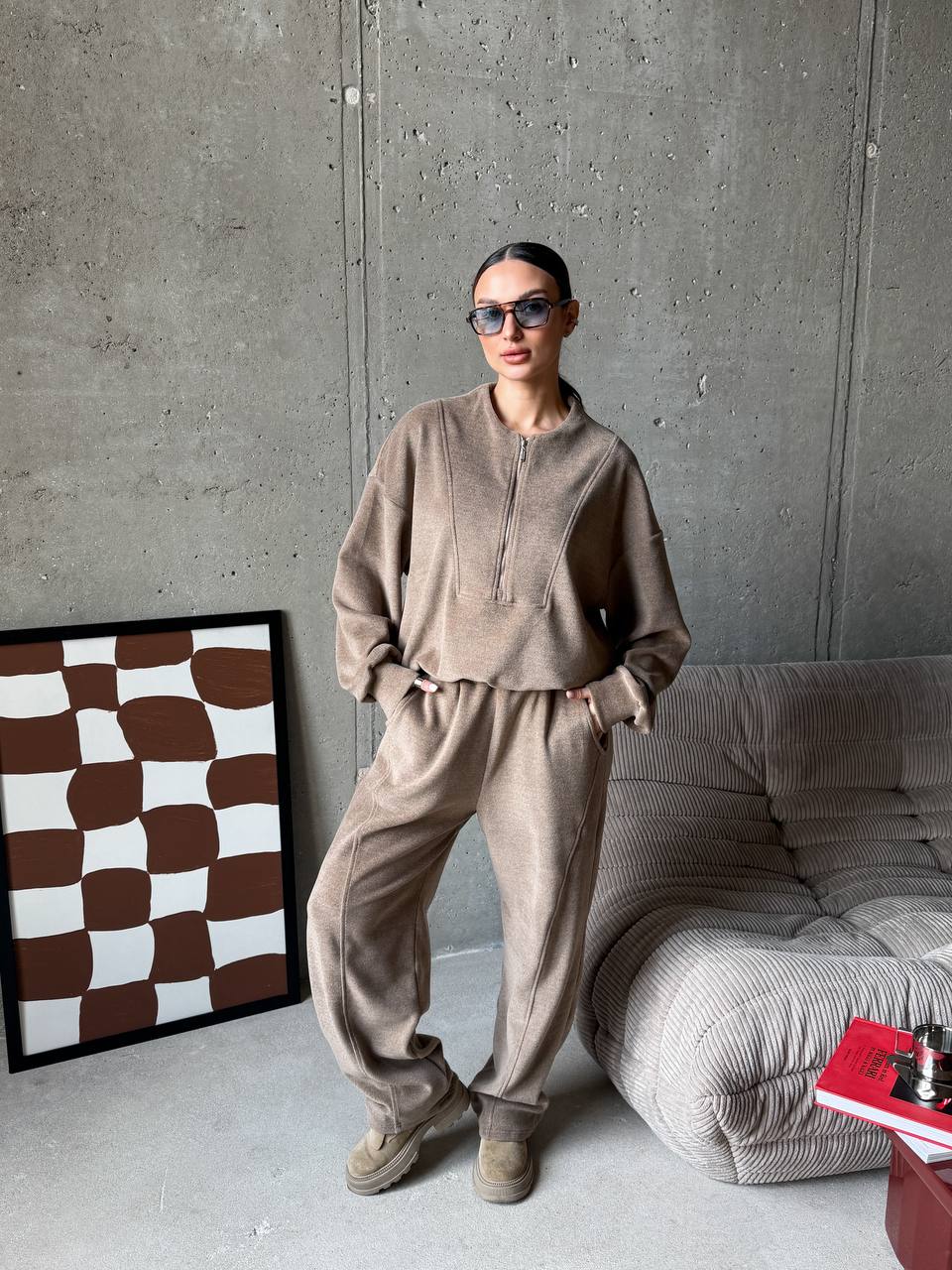
Finally, how do you read a blend and predict the outcome? If a label says “60% viscose, 40% modal,” you can expect a fabric that is softer and more absorbent than pure modal, but with slightly more shrinkage and pilling. If it says “50% lyocell, 50% cotton,” you get the breathability of cotton with the wrinkle resistance and strength of lyocell. The key is to consider the dominant fibre and then adjust for the secondary one. A high percentage of viscose means you need to be gentle in washing; a high percentage of lyocell means you can be a bit more careless. Also, remember that the finishing processes — such as mercerization or resin treatments — can alter the fabric’s performance, so the same blend from different brands may behave differently.
In short, if you value durability and wrinkle resistance, choose lyocell; if you want a soft, draping fabric and are willing to hand-wash, choose viscose; if you want a middle ground, modal is your friend. Always check the care label and treat the garment according to the most delicate fibre in the blend. With that knowledge, you can walk into any store and know what to expect from the label — no guesswork needed.