What to Wear When Your Waist and Hips Are Different Sizes
5 August 2026
What to Wear When Your Waist and Hips Are Different Sizes
If your waist and hips are different sizes, you know the struggle: trousers that fit your waist are tight at the hips, and those that fit your hips gape at the waist. This is the most common fit conflict in bottoms, and it happens because standard sizing assumes a fixed ratio between waist and hip measurements. But your body doesn't have to follow that ratio, and there are practical ways to dress for it.
Why does this happen? Most clothing brands use a grading system that increases both waist and hip measurements proportionally as size goes up. For example, a typical size guide might add about 4 cm to the waist and 5 cm to the hip for each size step. This assumes that if your waist is one size, your hips are a corresponding size. But many people have a waist-to-hip difference that doesn't match this standard, often due to genetics, muscle mass, or body shape. When your measurements deviate from the assumed ratio, you'll find that no single size fits both areas perfectly.
A common workaround is the 'size up and take in' rule: buy the size that fits your hips, then have the waist taken in by a tailor. This often works, but it fails when the waist-to-hip difference is extreme or when the garment has details that make alterations difficult—like zippers, pockets, or decorative seams at the waist. In such cases, the alteration might be too complex or expensive, or it might distort the design. So, while the rule is a good starting point, it's not a universal solution.
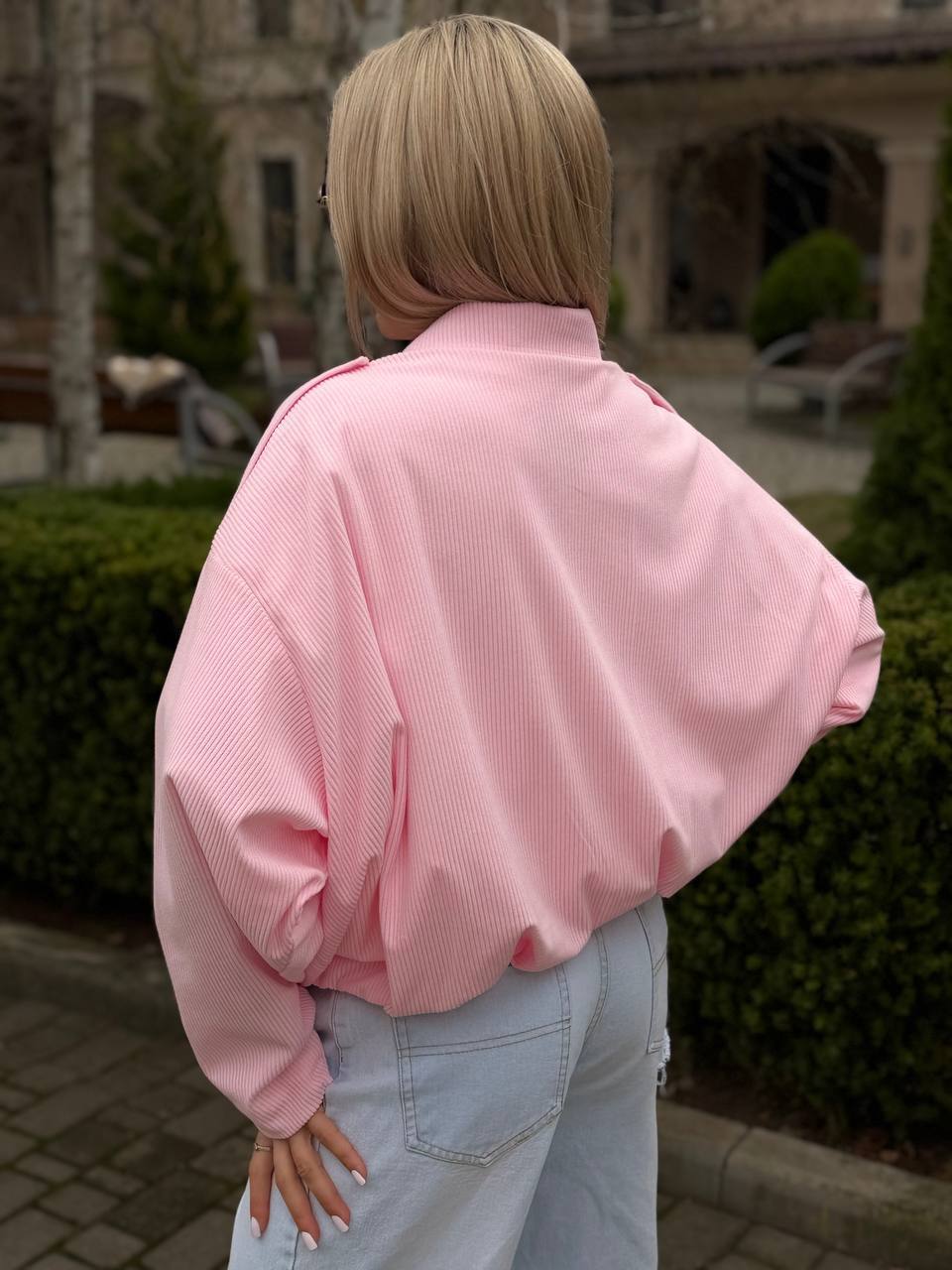
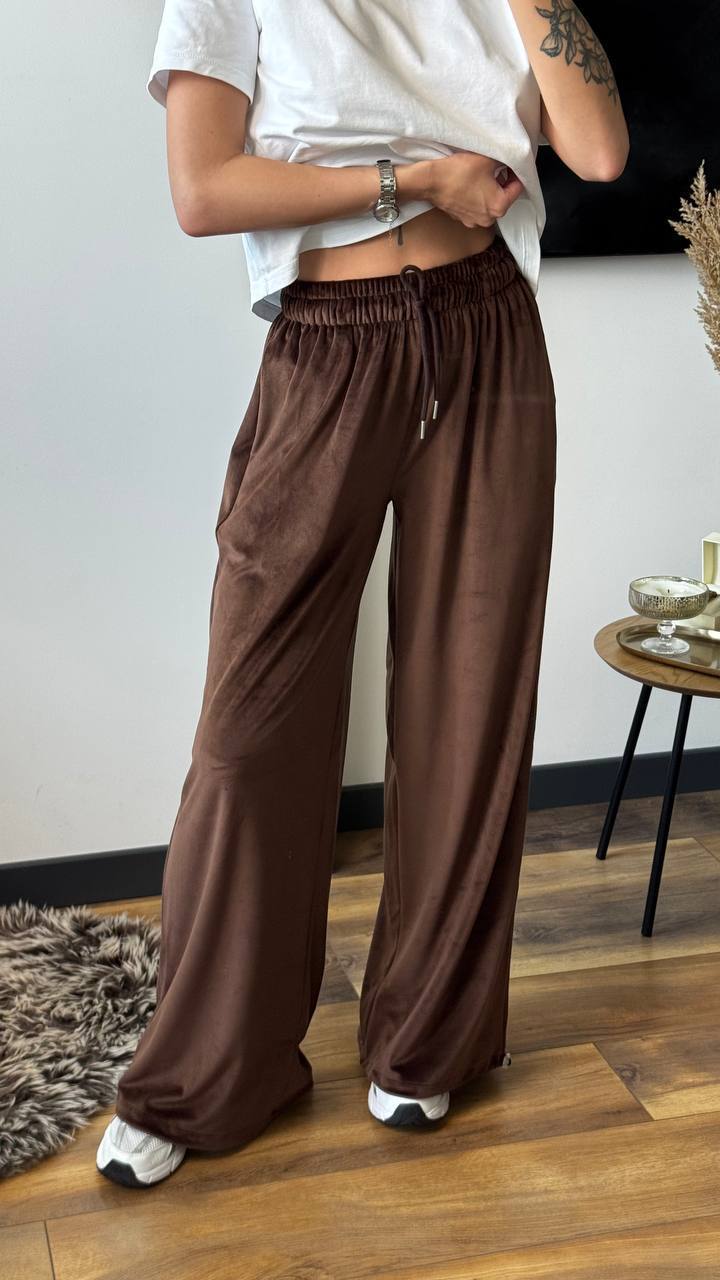
Instead, look for cuts that are designed to accommodate a wider hip-to-waist difference without needing alterations. Elastic waistbands are the most forgiving: they stretch to fit your waist while the rest of the garment follows your hip size. Wrap skirts and trousers with a wrap front also adapt well, as they tie at the waist and allow for adjustment. A-line skirts are cut to flare from the waist, so they don't cling to the hips, and palazzo trousers are wide-legged and drape loosely, minimizing fit issues. These styles are your best friends if you want to avoid the tailor.
When choosing fabrics and construction, pay attention to the material and the rise. Fabrics with some stretch, like those containing elastane, will conform to your curves better than rigid fabrics. A higher rise (the distance from the crotch to the waistband) can also help, as it creates a longer line that accommodates a wider hip area without gaping. Conversely, low-rise styles tend to emphasize the waist-hip difference and are harder to fit. Look for trousers with a mid-to-high rise and a bit of give in the weave.
Finally, consider the cost of tailoring versus buying a second pair. A tailor can take in a waist for a modest fee, often less than the price of a new pair of trousers. If you find a pair that fits your hips perfectly and the alteration is simple (like taking in a side seam), it's usually worth it. But if the alteration is complex—like adjusting a waistband with belt loops and pockets—it might be cheaper to order a custom-made pair or choose a style that doesn't need alterations. Always ask your tailor for an estimate before committing.
The key takeaway: don't fight your body. Choose styles that work with your proportions, and don't be afraid to use a tailor for simple fixes. With the right cuts and a little adjustment, you can wear bottoms that fit comfortably and look great.