Which Dress Length Makes You Look Taller
2 September 2026
 Which Dress Length Makes You Look Taller
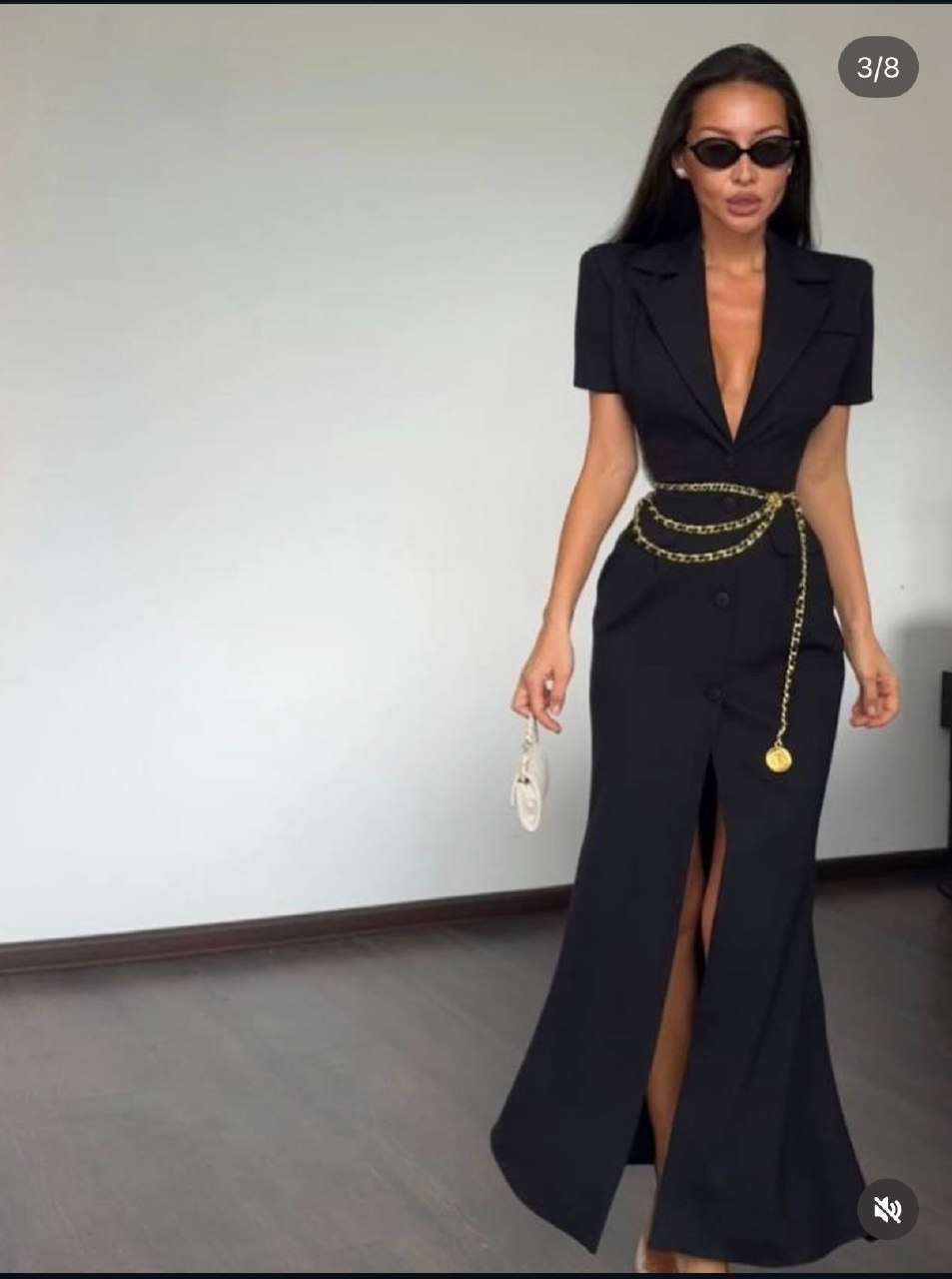
The short answer: no single dress length universally makes you look taller. The effect depends on where the hem falls relative to your own proportions, your height, and the shoes you pair with it. But there is one length that consistently works against most people: mid-calf. Understanding why, and how to adjust for your body, is more useful than chasing a magic number.
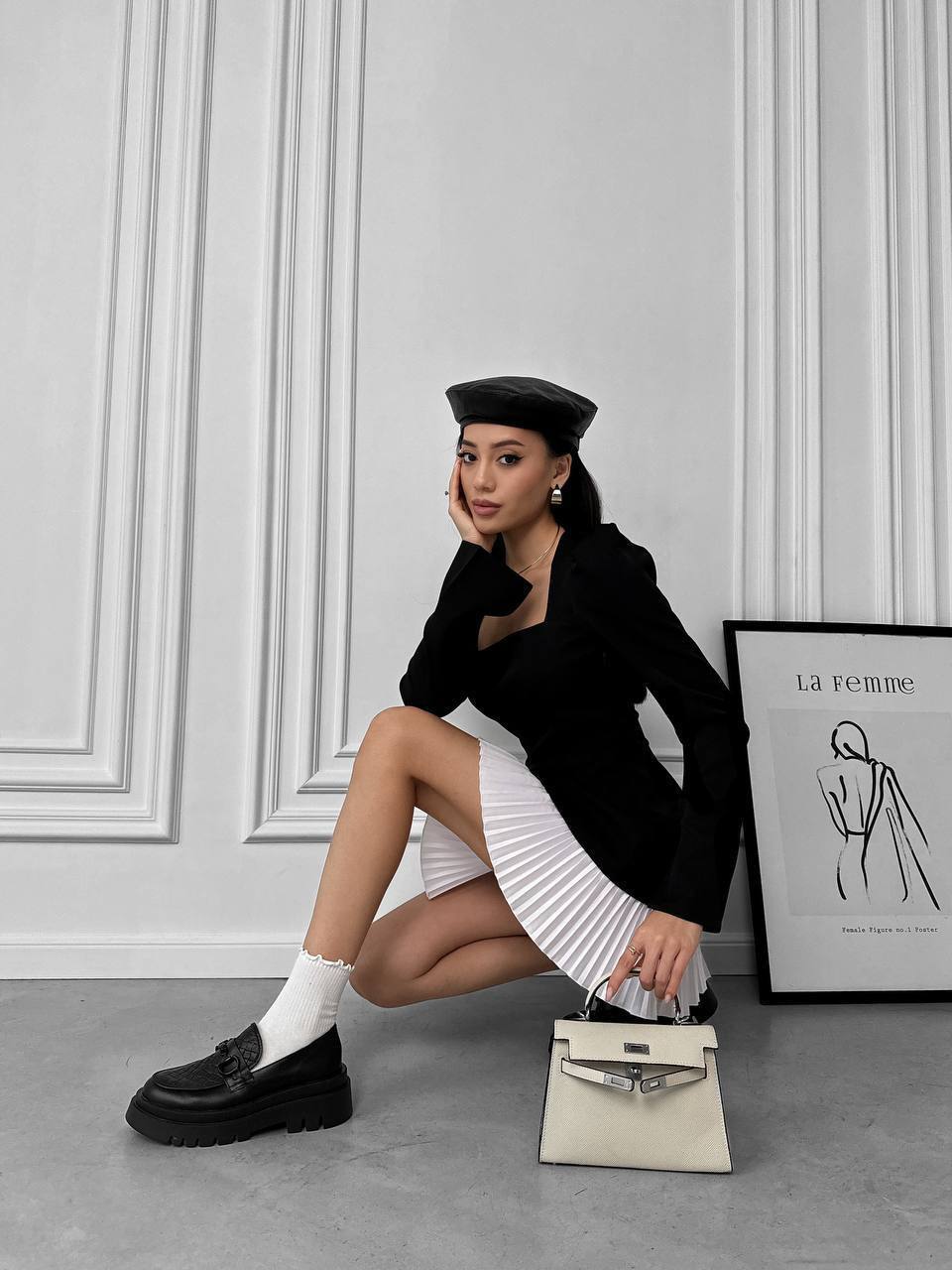
The break point is the spot where the hemline visually 'cuts' your vertical line. Your eye naturally follows the continuous line of your body, and any horizontal interruption—like a hem—creates a pause. The longer that pause lasts, the more your height is divided into segments. A mid-calf hem sits at the widest part of your lower leg, which is also the visually heaviest point. It chops your silhouette into two roughly equal halves, making you appear shorter and wider. That is why mid-calf is the riskiest length for most people, regardless of height.
Now, the same midi dress behaves very differently on a 160 cm person versus a 175 cm person. On a shorter frame, a midi that falls at mid-calf may actually hit just below the knee or at the upper calf, because the dress's length is fixed while your leg length is shorter. That accidental placement can be flattering. On a taller person, the same dress may hit at the true mid-calf, creating the unflattering chop. Conversely, a maxi dress that pools at the floor on a 160 cm person might be tea-length on a 175 cm person. The same garment does not produce the same visual effect on different heights.
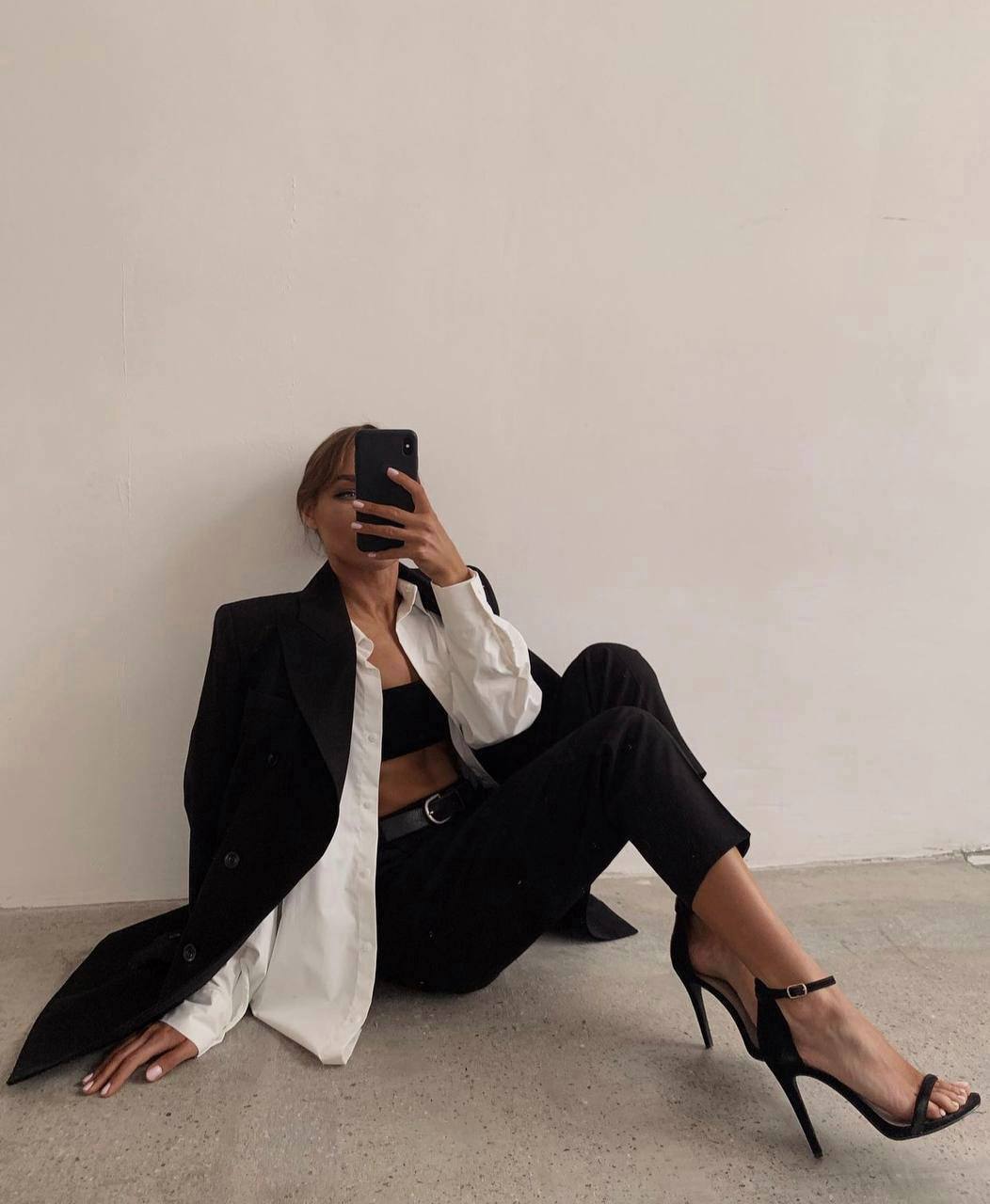
Shoes and heel height shift the entire equation. A heel raises your physical height, but more importantly, it changes the angle of your foot and leg, which alters where the hem falls relative to your calf. A midi that hits at mid-calf in flats may hit at a slimmer part of the calf when you wear a heel, because your foot is pointed and the muscle shifts. Also, the exposed instep and ankle from a heel create a longer line from hem to toe, which visually extends the leg. Nude or skin-tone shoes extend that line further. In contrast, a maxi that skims the floor with flats may need to be hemmed for heels, otherwise it will look too short or break at the wrong place.
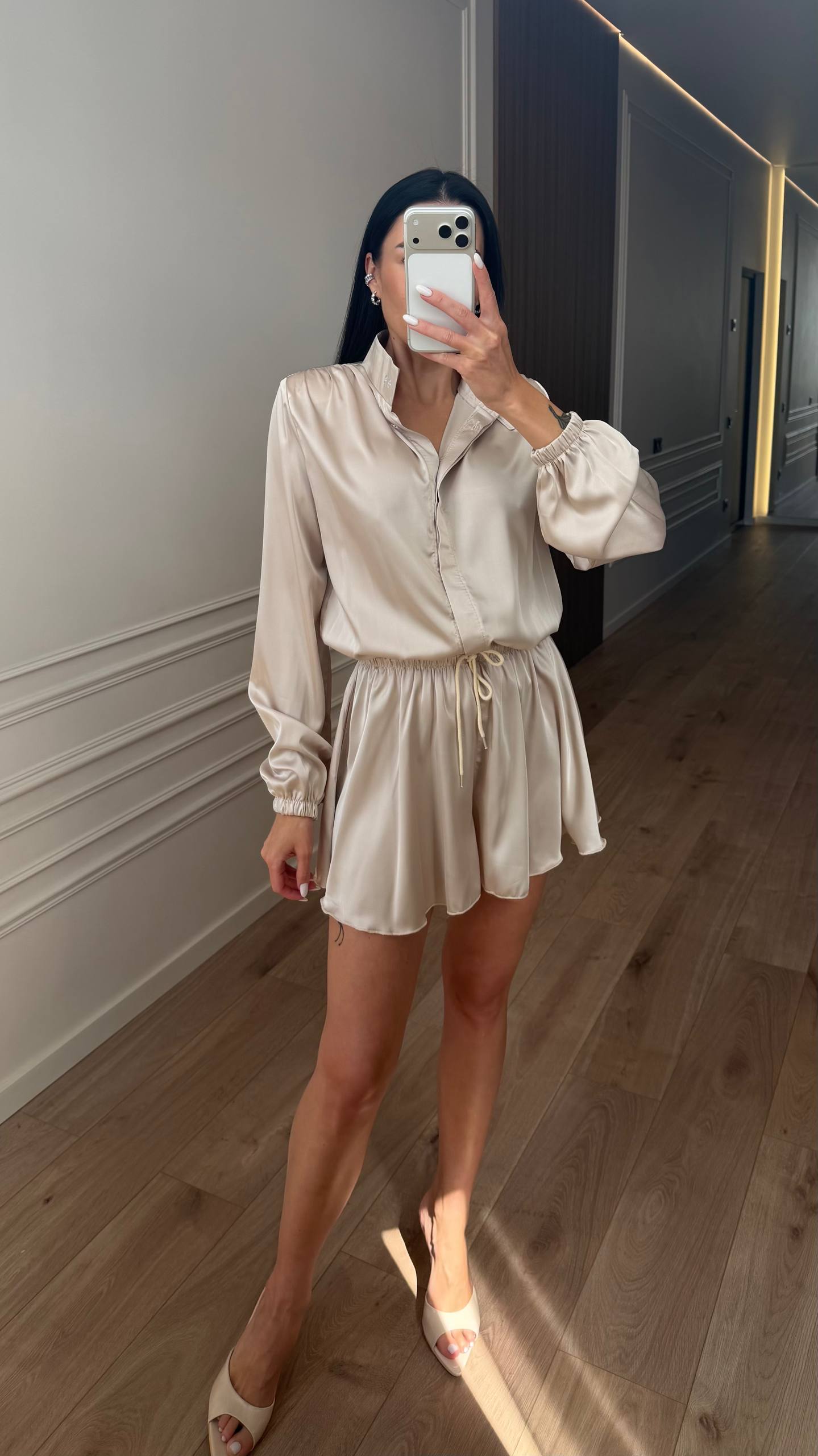
Regardless of your height, proportion rules that work are simple. First, aim for a hem that falls at the narrowest part of your leg: just below the knee, the slimmest part of the calf, or the ankle. These points create a clean break that does not compete with your natural lines. Second, keep the overall silhouette vertical. A dress with a defined waist that sits at your natural waist (not too high or low) and a skirt that flows straight or slightly A-line will elongate. Avoid stiff, wide skirts that add bulk at the hem. Third, match the dress length to the occasion and shoe height. A mini that shows a few inches of thigh works with flats or heels; a maxi that skims the floor works with flats or low wedges; a midi is most forgiving when it hits just below the knee or at the ankle, not in between.
Finally, check the length from the size chart instead of guessing. Most online retailers list a 'center back length' or 'total length' measurement for each size. Compare that number to your own body measurements: measure from your shoulder (or natural waist) down to where you want the hem to fall. For example, if you are 165 cm tall and want a dress to hit just below the knee, you might need a center back length around 85–90 cm, but that depends on your torso-to-leg ratio. The only reliable way is to measure a dress you already own that fits well and compare. If the size chart gives a range, choose the size that places the hem at your desired point, not the size that fits your bust or waist. That is the practical takeaway: forget generic rules about mini, midi, or maxi. Measure your own body, decide where you want the break, and use the size chart to find a dress that hits that exact spot.
Every piece in the catalogue is listed with its own measurements — see Tops.